Choosing the Right Repair Method
Choosing the right repair method for a broken sewer pipe is crucial to ensuring long-term functionality and avoiding future issues. There are several approaches depending on factors like the extent of damage, your budget, and the location of the pipe. Traditional methods, such as excavation, allow for direct access but can be time-consuming and disruptive. Trenchless techniques offer a less invasive option, utilizing specialized equipment to rehabilitate or replace the pipe without extensive digging.
When considering repair methods, local expertise plays a vital role in the decision-making process. For residents in Oregon, utilizing a company experienced in sewer line installation and repair in Oregon can provide valuable insights. They can assess the situation, recommend the most suitable approach, and ensure adherence to local regulations. A thorough evaluation helps homeowners make informed choices while addressing the problem effectively.
Options for Fixing a Broken Sewer Pipe
Several methods exist for fixing a broken sewer pipe, each varying in complexity and cost. Traditional excavation involves digging around the damaged section to replace it entirely. This method is effective for addressing severe issues but can be time-consuming and disruptive. An alternative is trenchless technology, which requires minimal digging. Techniques like pipe bursting or slip lining allow for repairs with less surface disruption while often speeding up the process.
Homeowners should consider specific factors when choosing a repair method. The age of the existing sewer line, the type of damage, and local regulations may influence this decision. For those in need of assistance, professionals specializing in sewer line installation and repair in Oregon can provide valuable insight and services. Understanding these options helps ensure a practical approach to repairing a broken sewer pipe.
Conducting the Repair
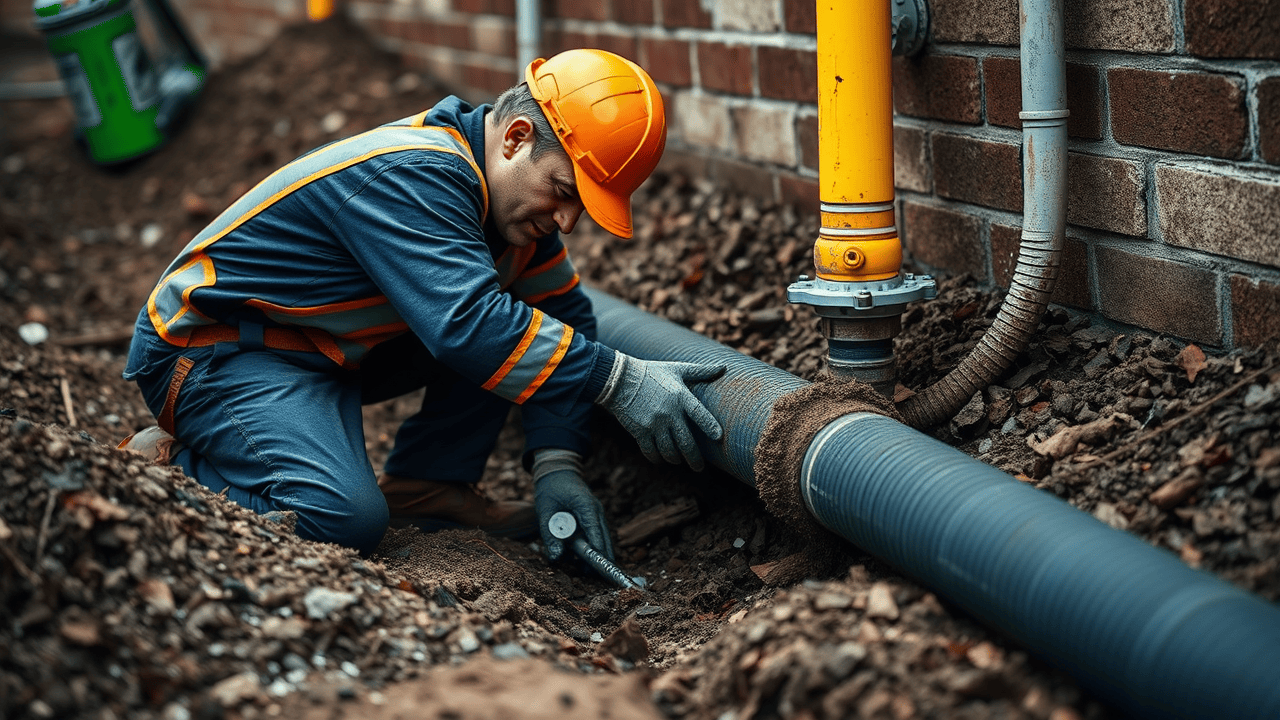
Before you begin any repair work on a broken sewer pipe, ensure you have the right tools and materials. Excavation may be necessary to reach the damaged section of the pipe. Use a shovel or excavator to carefully remove the soil around the broken pipe while maintaining the integrity of surrounding utilities. Once you expose the damaged area, assess the extent of the damage. This analysis will help determine whether a simple repair or a full replacement is necessary.
When conducting the actual repair, clean the pipe ends thoroughly to ensure a secure fit. If using replacement sections, align them properly and secure them with appropriate connectors. For joints, consider using a primer and glue suitable for plumbing applications. After the pipe is fixed, backfill the area with soil, compacting it gradually to avoid future settling. If you encounter complexity in the repair, professional assistance may be beneficial. Residents can seek professional help for sewer line installation and repair in Salem, Oregon, to ensure the work meets local codes and standards.
StepbyStep Repair Techniques
Repairing a broken sewer pipe requires careful attention to detail. Gather necessary tools such as a shovel, pipe cutter, and appropriate replacement parts based on the damage assessment. Begin by safely digging around the damaged section of the pipe to expose it fully. Ensure the excavation is deep enough to access the entire broken area. Once exposed, take time to review the extent of the damage before deciding on the appropriate repair method.
If the damage is minor, a simple patch may suffice. In cases of significant breaks or cracks, replacement may be necessary. Cut out the damaged section using the pipe cutter. Measure and cut a proper fitting replacement piece. Attach the new segment with appropriate connectors, ensuring a secure and snug fit. For those in the region, professionals offer comprehensive Sewer line installation and repair in Salem, Oregon, ensuring the job meets local standards and regulations.
Testing the Repair
After completing the repair of a broken sewer pipe, it's crucial to ensure that the system functions properly. This involves running water through the newly repaired section to check for leaks or blockages. Watching for any signs of water pooling outside the repaired area will help determine the repair's effectiveness. Using a plumbing camera can also aid in inspecting the interior of the pipe, providing a clear view of the condition after the fix.
If the water flows without any issues, further testing can include monitoring the area over a few days. Look for any unusual behavior in drainage patterns or odors that might indicate unresolved problems. It is important to consider professional assistance when ensuring these systems are working correctly, especially in regions like Oregon, where sewer line installation and repair in Oregon is essential for maintaining safe and effective sanitation systems.
Ensuring Proper Functionality
After completing the repair, it is essential to conduct thorough testing to ensure the functionality of the sewer line. Begin by running water through the pipes and observing for any leaks or unusual sounds. Ensure that water flows smoothly without backup or obstruction. This step verifies that the repair was successful and that the sewer line can effectively handle its intended load.
Additionally, consider scheduling a professional inspection if doubts about the repair persist. Some services specialize in sewer line installation and repair in Oregon, providing advanced tools like video cameras to assess the condition of the pipes. These inspections can uncover potential issues that may not be visible to the untrained eye, safeguarding against future problems that could arise from inadequate repairs.
FAQS
What are the common signs of a broken sewer pipe?
Common signs include slow drains, gurgling sounds from the plumbing, foul odors, and wet spots or sewage backups in your yard.
How do I choose the right repair method for a broken sewer pipe?
The choice of repair method depends on the severity of the damage, accessibility of the pipe, and your budget. Options include traditional excavation, pipe relining, and pipe bursting.
Can I fix a broken sewer pipe myself, or should I hire a professional?
While some small repairs might be manageable for DIY enthusiasts, it’s generally recommended to hire a professional for underground sewer repairs due to the complexity and potential hazards involved.
What tools do I need to conduct a repair on a broken sewer pipe?
Essential tools may include a trenching shovel, a pipe cutter or saw, a sewer camera for inspection, and safety gear such as gloves and goggles.
How can I test if the sewer pipe repair was successful?
To test the repair, run water through the system to check for leaks, monitor drainage speed, and inspect the area for any signs of sewage backup or odor.