Leak detection and repair
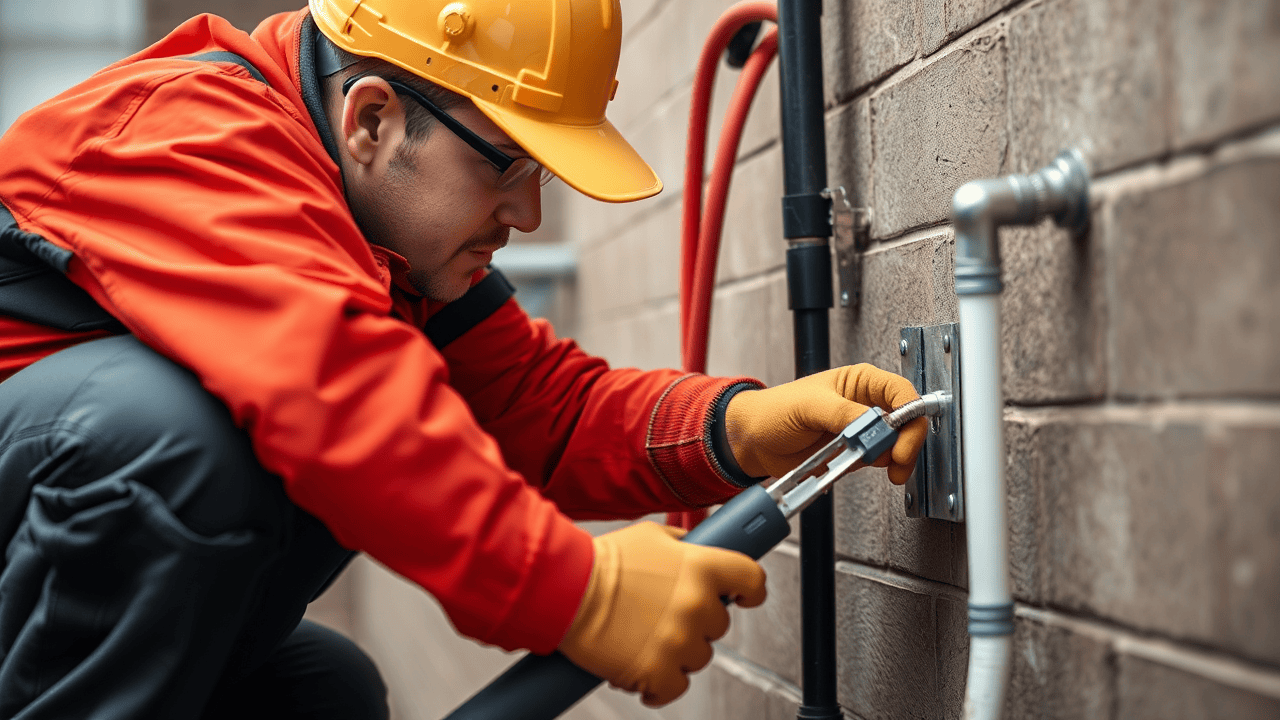
At Spaniol's Plumbing Inc, we specialize in comprehensive leak detection and repair services to protect your home or business from the damaging effects of water leaks. Our experienced technicians utilize advanced technology and techniques to accurately pinpoint leaks within your plumbing system, whether they’re hidden behind walls, beneath floors, or in hard-to-reach areas. Once identified, we promptly carry out repairs to restore your plumbing to optimal condition, ensuring that your property remains safe, dry, and efficient. With our commitment to quality workmanship and customer satisfaction, you can trust Spaniol's Plumbing Inc to tackle any leak issue swiftly and effectively.
Residential vs. Commercial Leak Detection
Leak detection in residential settings often focuses on identifying problems in smaller plumbing systems. Homeowners commonly experience issues such as dripping faucets, running toilets, or burst pipes. These problems typically require immediate attention to prevent water damage and higher utility bills. Homeowners may rely on various detection techniques, including visual inspections and moisture meters, to locate leaks.
In contrast, commercial leak detection encompasses larger and more complex plumbing networks. Businesses face unique challenges due to their scale and the potential impact on operations. Industrial equipment and high-volume water usage can exacerbate leaks, leading to significant losses. Specialized techniques, such as acoustic leak detection and thermal imaging, are frequently employed to address these issues efficiently while minimizing downtime and damage to the commercial property.
Key Differences in Approach and Techniques
Residential leak detection often relies on visual inspections and basic tools. Homeowners may observe signs of leaks such as damp spots, water stains, or mold growth. In many cases, a simple approach can be effective, addressing issues before they escalate. Techniques like using a flashlight to inspect beneath sinks or listening for dripping sounds can help in pinpointing minor leaks. Homeowners typically seek quick solutions due to budget constraints and the desire for minimal disruption.
In contrast, commercial leak detection requires a more sophisticated approach due to larger and more complex infrastructures. Professionals frequently employ advanced technology, including thermal imaging cameras and acoustic leak detection equipment. Commercial premises often have intricate plumbing systems that necessitate thorough assessments to ensure comprehensive coverage. Timeliness is crucial, as leaks can lead to significant operational losses and potential safety hazards. Therefore, the strategies used in commercial settings aim for efficient identification and repair to minimize downtime and business impact.
Cost Factors in Leak Detection and Repair
When assessing the costs associated with leak detection and repair, several factors come into play. The type of leak, its location, and the ease of access significantly influence the overall expense. For instance, leaks in visible areas may be less costly to fix compared to those hidden behind walls or under floors. Additionally, the materials required for repair and the expertise needed for specialized leak detection techniques can also affect pricing.
Homeowners should also consider the potential for water damage when leaks are left unaddressed. The longer a leak persists, the more extensive the damage may become, leading to increased repair costs in the long run. Investing in timely leak detection and repair can ultimately save money by preventing serious issues that require extensive restoration or replacement work. Understanding these factors helps homeowners navigate their budget while ensuring efficient leak management.
Understanding Pricing and Budgeting
When it comes to leak detection and repair, the costs can vary significantly based on various factors. Homeowners should consider the type of leak, whether it’s minor or significant, as well as its location. For instance, leaks within walls or foundation may require more extensive work and specialized equipment, driving up costs. Additionally, the urgency of the repair can influence pricing; immediate response is often more expensive than scheduled maintenance.
Understanding the different components of pricing helps in effectively budgeting for leak repair services. Many plumbing companies charge a flat rate for diagnostic services, while repairs may be billed hourly or per project. Homeowners should also factor in the potential for unexpected expenses, especially if further damage is discovered during the repair process. Gathering multiple estimates and asking for detailed breakdowns can provide a clearer picture of potential costs involved.
DIY Leak Detection Techniques
Homeowners can employ several straightforward methods to detect leaks within their properties. One common technique involves checking water bills for any sudden unexplained increases, which often indicate a hidden leak. Another easy approach is to observe water meter readings before and after a period of no water usage. If the meter moves during that time, a leak is likely present. Visual inspections can also be helpful; looking for signs of water damage, mold growth, or moisture around faucets, toilets, and under sinks can lead to identifying potential problems.
For those more hands-on, a simple dye test can be utilized to check for toilet leaks. Adding a few drops of food coloring to the toilet tank and waiting for about 30 minutes before checking the bowl can reveal leaks if the color appears there. Listening carefully for running water or unusually frequent sounds of water can indicate issues as well. Taking a proactive approach to leak detection can not only prevent more serious plumbing problems but also save on future water bills.
Practical Methods for Homeowners
Homeowners can take several practical steps to identify leaks before calling in professionals. One effective method is to monitor water bills for unexpected increases, which may indicate hidden leaks. Checking water meter readings is another helpful technique; turning off all water fixtures and observing any changes in the meter reading can reveal hidden issues. Inspecting visible plumbing connections, fixtures, and appliances for signs of moisture or water damage also provides valuable insight into potential leaks.
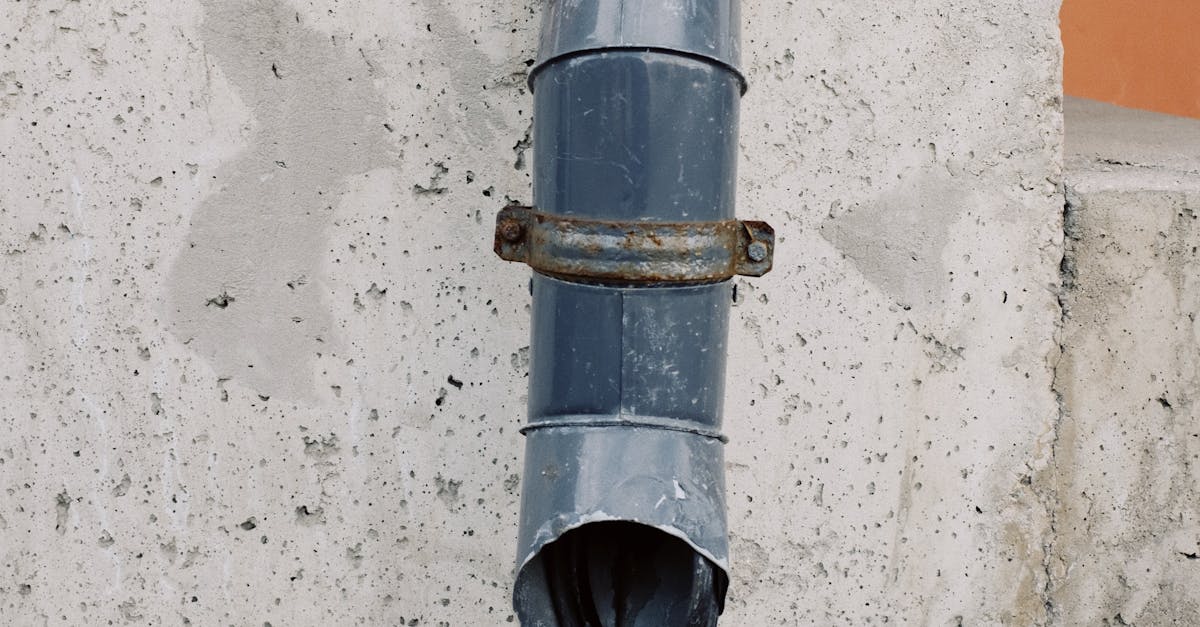
Another useful tactic involves the use of simple DIY tools. A dye test for toilets can identify leaks around seals and gaskets; adding food coloring to the tank and waiting to see if it seeps into the bowl is a quick indicator. Homeowners can also utilize a moisture meter, which detects dampness in walls and floors, helping to locate leaks behind the scenes. Regularly inspecting the property's gutters and downspouts ensures proper drainage and can prevent water from pooling and causing leaks in basements or crawl spaces.
FAQS
What are the main differences between residential and commercial leak detection?
The main differences lie in the scale and complexity of the systems being inspected. Residential leak detection typically involves simpler plumbing systems, while commercial leak detection may require specialized equipment and techniques to address larger and more intricate systems.
How much does leak detection typically cost?
The cost of leak detection can vary significantly depending on factors such as the size of the property, the location of the leak, and the methods used for detection. On average, homeowners can expect to pay anywhere from $100 to $400 for leak detection services.
Are there any DIY methods for detecting leaks in my home?
Yes, homeowners can use several DIY methods such as checking for water stains, using food coloring in toilet tanks to identify leaks, and listening for sounds of running water when all fixtures are turned off.
How can I prevent leaks from occurring in the first place?
Preventative measures include regular maintenance of plumbing systems, checking for signs of wear or corrosion, insulating pipes against temperature changes, and ensuring proper drainage around your property.
When should I call a professional for leak detection?
You should call a professional if you notice persistent water stains, dampness in walls or floors, an unexplained increase in your water bill, or if you suspect a hidden leak that you cannot locate through DIY methods.