Replacement vs. Repair of Sewer Pipes
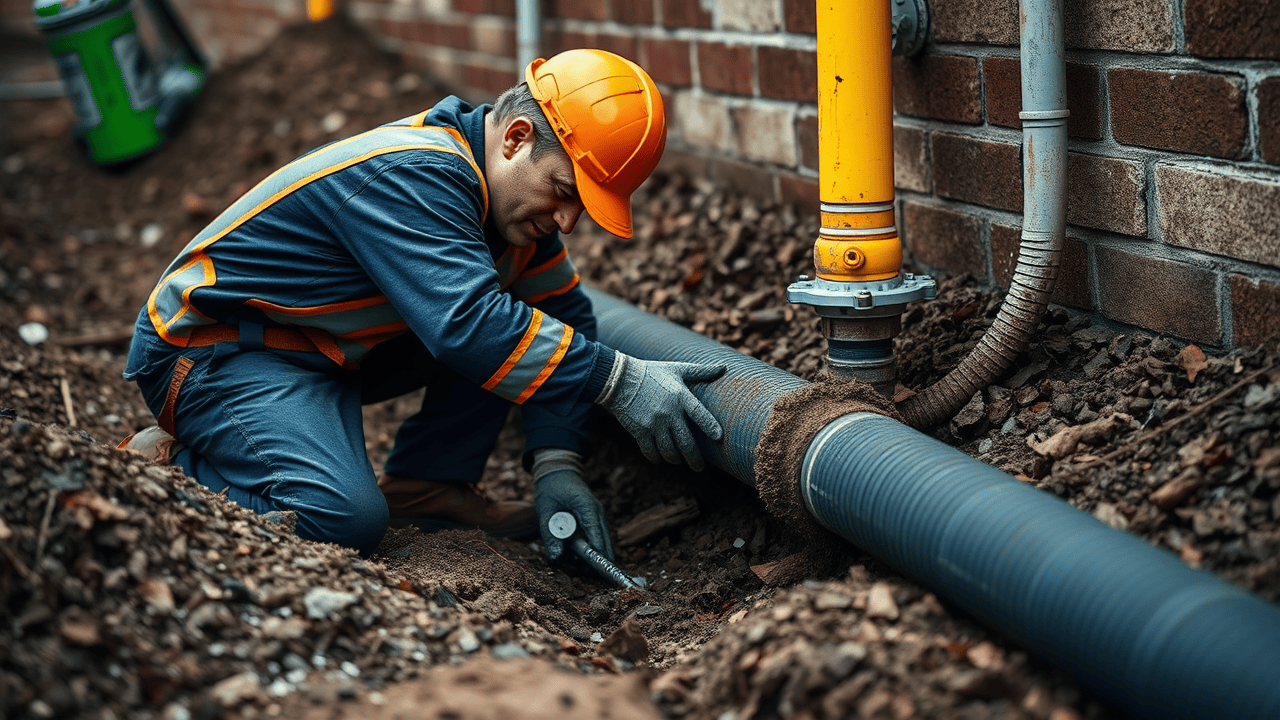
When considering the maintenance of sewer pipes, homeowners often face the dilemma of whether to replace or repair their existing systems. Repairing sewer pipes can be a cost-effective solution, particularly for minor leaks or blockages. Techniques such as trenchless repair allow for quick fixes while minimizing disruption to the surrounding landscape. However, repairs may only provide a temporary solution for deteriorating pipes that demand more extensive work in the future.
In contrast, complete replacement of sewer lines may initially seem daunting due to the associated costs and extensive work involved. However, installing new pipes can provide a long-term solution and mitigate the risk of frequent issues. This approach is especially beneficial for aging systems or those subjected to damage from tree roots and environmental factors. Homeowners in Oregon often seek professional services for sewer line installation and repair Oregon, ensuring that they receive quality assessments and recommendations for the best course of action based on their unique circumstances.
Cost Considerations
When assessing the financial implications of sewer pipe maintenance, homeowners should consider both the costs of replacement and repair. Repairs may seem less expensive initially, but frequent issues can add up over time. In contrast, while sewer line installation may require a larger upfront investment, it can reduce long-term expenses and minimize ongoing maintenance needs. In Oregon, homeowners often weigh the costs of these options and how they align with the durability of various materials.
Homeowners should also take into account the potential for added expenses due to unforeseen complications. Factors such as accessibility, depth of the sewer line, and local regulations can influence the overall cost of sewer line installation and repair in Oregon. Additionally, working with a reputable contractor can mitigate risks associated with poor quality workmanship, which may lead to further issues down the line. Understanding these cost considerations can help homeowners make informed decisions about their sewer systems.
Modern Innovations in Sewer Pipe Technology
Recent advancements in sewer pipe technology have transformed the landscape of waste management systems. New materials like PVC and HDPE have gained popularity due to their resistance to corrosion and flexibility. These innovations not only enhance the longevity of sewer systems but also simplify the installation process, making it more efficient. Companies specializing in sewer line installation and repair in Salem, Oregon, utilize these modern materials to provide durable and reliable solutions.
Additionally, trenchless technology has emerged as a game changer in sewer line repairs. This method allows for the replacement of pipes without extensive excavation, minimizing disruption to landscaping and existing infrastructure. The use of specialized equipment to create small entry points further reduces the time and labor costs associated with traditional methods. Local providers in Salem, Oregon, are increasingly adopting these techniques to offer effective and less invasive sewer pipe solutions.
Advances in Materials and Techniques
Recent advancements in materials and techniques have significantly transformed the sewer pipe industry. Innovations such as PVC and high-density polyethylene (HDPE) have replaced traditional materials like clay and cast iron. These new materials offer enhanced resistance to corrosion and leaks, resulting in longer-lasting sewer lines. Additionally, trenchless technology has emerged as a practical solution for sewer line installation and repair. This method minimizes disruption to landscapes, making the process more efficient and environmentally friendly.
In Salem, Oregon, professionals are leveraging these cutting-edge techniques to improve the reliability of sewer systems. The use of advanced pipe relining methods allows for repairs without extensive excavation, saving both time and money. Homeowners can benefit from these innovations, reducing the likelihood of future issues and prolonging the lifespan of their sewer lines. As technology evolves, the ability to efficiently address sewer line challenges continues to improve, providing lasting solutions for communities.
The Role of Tree Roots in Sewer Pipe Damage
Tree roots are one of the most common culprits behind sewer line damage. When seeking moisture and nutrients, roots can penetrate small cracks or joints in pipes. This intrusion often leads to blockages, backed-up sewage, and significant damage to the sewer system. Property owners in regions with abundant trees should be particularly vigilant, as the aggressive growth of certain tree species can exacerbate these issues.
To address potential root damage, homeowners often consider sewer line installation and repair Oregon options. Detecting early signs of root invasion can save significant repair costs and prevent major plumbing disruptions. Regular inspections and maintenance can help identify root growth before it causes substantial issues, allowing for effective interventions to protect the integrity of sewer systems.
Prevention Strategies
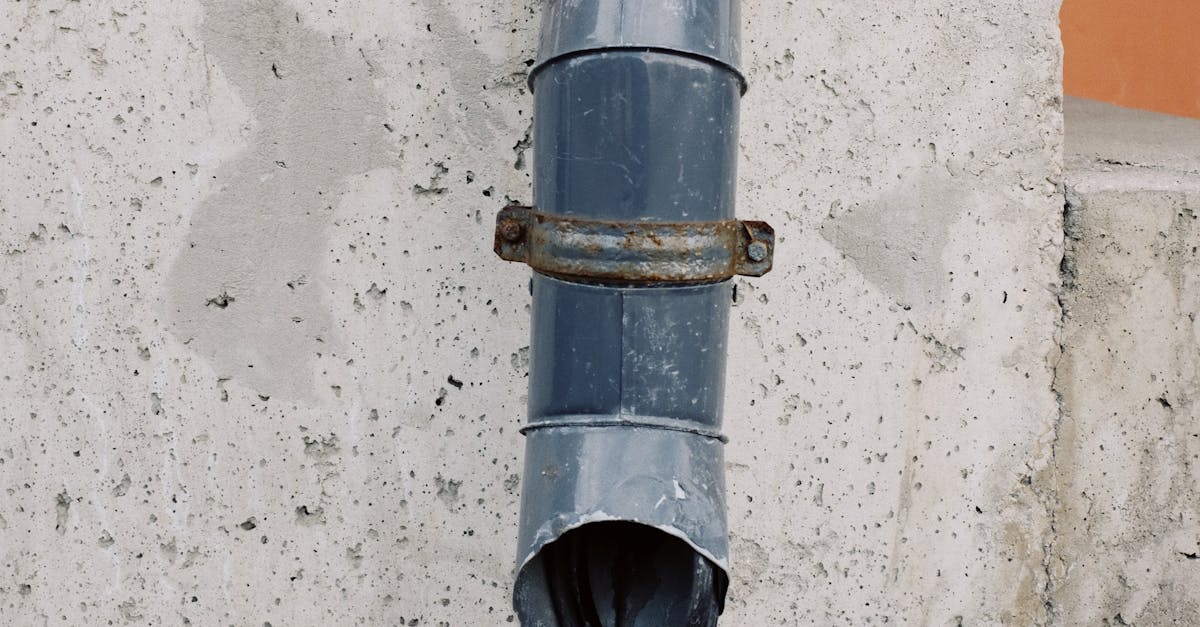
Preventing damage to sewer pipes is essential for maintaining the integrity of the plumbing system. Homeowners can take proactive steps by avoiding planting trees or large shrubs near sewer lines, as the roots can infiltrate and disrupt the pipes. Regular inspections can also identify potential problems before they escalate, allowing for timely interventions. Keeping gutters and downspouts clear of debris reduces the risk of excess moisture around the foundation, which can lead to pipe issues.
In addition to these preventive measures, opting for high-quality materials during sewer line installation and repair in Oregon can significantly enhance durability. Choosing modern pipes designed to resist root intrusion can further decrease the likelihood of damage. Homeowners should also be aware of what can and cannot be flushed down the toilet, as improper disposal can result in blockages and increased wear on sewer systems. Regular maintenance and awareness are key in preserving the lifespan of sewer lines.
FAQS
How long do sewer pipes typically last?
Sewer pipes can last anywhere from 30 to 100 years depending on the material, installation, and environmental factors.
What are the signs that my sewer pipes need to be replaced?
Signs that your sewer pipes may need replacement include frequent clogs, slow drainage, unusual odors, and sewage backups.
Are there cheaper alternatives to replacing sewer pipes?
Yes, repairs such as pipe relining or using trenchless technology can often be more cost-effective compared to complete replacement.
How do tree roots affect the lifespan of sewer pipes?
Tree roots can invade sewer pipes, causing blockages and damage, which can significantly reduce the lifespan of the pipes.
What modern materials are used in sewer pipe construction?
Modern sewer pipe materials include PVC, HDPE, and composite materials, which offer greater durability and resistance to corrosion compared to traditional materials.