DIY Repair Methods
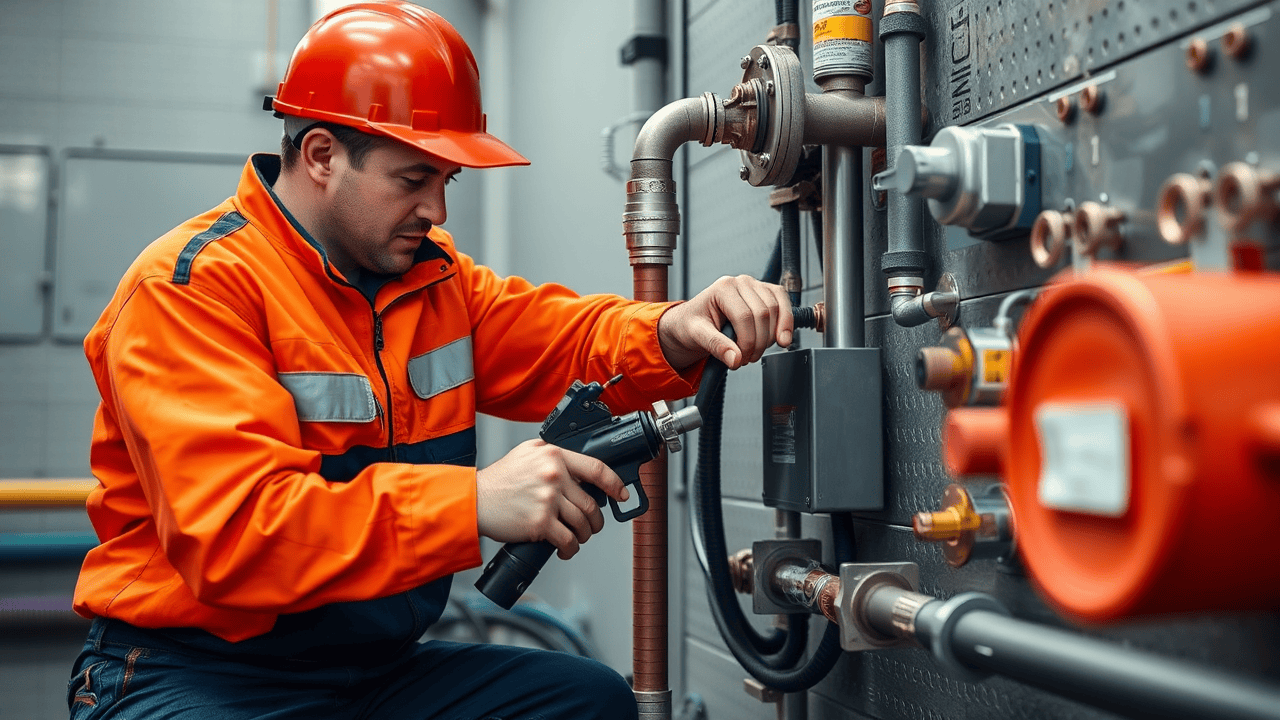
Repairing a broken gas line can be a daunting task for many homeowners. However, with the right tools and knowledge, some minor repairs may be manageable without professional help. It is essential to first turn off the gas supply to ensure safety. Take the time to inspect the area around the leak for visible damage. Using a pipe wrench and appropriate sealant tape, you can sometimes fix small leaks or loose connections. Gas line installation and repair Oregon may provide resources regarding materials and methods that comply with local regulations.
In addition, there are specific DIY kits available for temporary gas line repairs. These kits usually include clamps and sealants designed for gas lines. It is crucial to follow the instructions provided with such kits closely. After making repairs, it is advisable to conduct a leak test using a soap solution to check for bubbling at the repair site. This step ensures that the line is sealed and functioning correctly. Awareness of state regulations is vital to ensure that any DIY method employed meets safety standards.
StepbyStep Guide to Fixing a Gas Line
Before attempting any DIY repairs on a gas line, ensure that the gas supply is turned off to prevent accidents or further damage. Begin by identifying the location of the leak. You can apply a mixture of soap and water to the gas line. Bubbles will form where there is a leak. Once you have located the damaged segment, mark the area for easier reference. Using the appropriate tools, carefully remove the damaged section of the line.
For connections, use approved gas line fittings to ensure a secure seal. Check local regulations in your area, as gas line installation and repair Oregon may have specific compliance requirements. After repairs, carefully turn the gas supply back on and monitor for any signs of leakage. Always keep a gas detector handy as a precaution against potential leaks that could pose safety risks.
When to Call a Professional
Recognizing when to involve a professional can save time and ensure safety. If you notice any strong gas odors, hear hissing sounds near your gas lines, or observe dead vegetation around pipelines, these are clear indicators that something may be wrong. Such signs often suggest gas leaks, which can be hazardous if not addressed promptly. In these situations, it is advisable to contact an expert who specializes in gas line installation and repair in Oregon to diagnose and remedy the issue effectively.
Local regulations and safety codes often dictate the necessary qualifications for gas line repair work. Amateur repairs may conflict with existing building codes, leading to potential fines or safety hazards. Professionals not only bring the expertise needed for proper repairs but are also familiar with the regulations governing gas installations in Oregon. Seeking their assistance ensures that all work complies with essential safety standards, protecting your property and your loved ones.
Signs You Need Expert Assistance
Certain signs indicate the necessity of professional help with gas line issues. A persistent smell of gas, which can be faint or strong, should never be ignored. This odor often suggests a leak that could pose serious safety risks. Unusual hissing sounds near the gas line might also signal a problem. If appliances show irregular functioning or if there are unexplained increases in gas usage, these are clear indicators that a professional assessment is needed.
In Oregon, the laws regarding gas line installation and repair are stringent. DIY repair methods may not meet safety standards and could result in additional hazards. If you find yourself unsure about the repairs or if the issue escalates, it’s wise to contact a certified professional. Their expertise ensures compliance with local building codes while safeguarding both your home and the environment.
Building Codes and Regulations
Local building codes and regulations play a critical role in the installation and repair of gas lines. These codes exist to ensure safety and compliance with national standards. Homeowners must familiarize themselves with the specific requirements in their area, as these can vary significantly from one jurisdiction to another. Ignoring or misinterpreting these regulations can result in fines, unsafe installations, or future legal complications during the sale of a home.
In Oregon, gas line installation and repair are governed by strict guidelines that include obtaining necessary permits and passing inspections. Many municipalities require qualified professionals to handle gas line work to ensure that installations meet both local and national safety standards. Following these regulations not only assures compliance but also significantly reduces the risks associated with gas line failures.
Compliance for Gas Line Repairs
When undertaking gas line repairs, compliance with local building codes and regulations is critical. These codes exist to ensure the safety of all residents and to maintain the integrity of gas systems. Each state and locality may have specific requirements, so it is essential to familiarize yourself with the regulations that apply to your area. In Oregon, adherence to established guidelines is paramount, especially considering the potential hazards associated with gas leaks.
Before starting a repair, checking for necessary permits and inspections is advisable. Gas line installation and repair in Oregon must be conducted with diligence, ensuring that all work meets safety standards. Failure to comply with these regulations can result in fines or legal repercussions, in addition to the increased risk of dangerous leaks or explosions. Therefore, understanding and following the proper procedures not only protects you but also your community.
FAQS
Can I fix a broken gas line myself?
While some minor gas line repairs might be possible for DIY enthusiasts, fixing a broken gas line is generally not recommended due to safety risks. It is best to call a licensed professional.
What are the signs that my gas line might be broken?
Signs of a broken gas line include a strong smell of gas, hissing sounds near the line, dead or dying vegetation above the line, and an unusually high gas bill. If you notice any of these, seek professional help immediately.
What should I do if I suspect a gas leak?
If you suspect a gas leak, evacuate the area immediately, avoid using any electrical devices or flames, and call your gas company or emergency services from a safe distance.
Are there building codes for gas line repairs?
Yes, most areas have specific building codes and regulations regarding gas line repairs. It is essential to comply with these codes to ensure safety and legality. Consult local regulations or a professional for guidance.
How can I find a qualified professional to repair my gas line?
To find a qualified professional, ask for recommendations from friends or family, check online reviews, or consult local trade organizations. Always verify their credentials and ensure they are licensed and insured.